
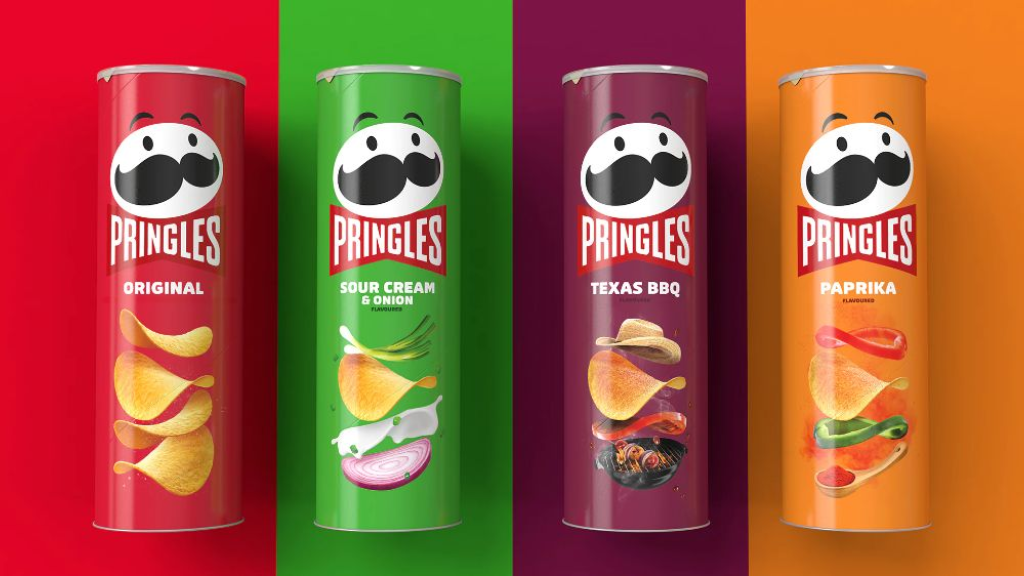
Some designs don’t just stand out on the shelf; they have the power to reshape consumer behavior.
From how we open a drink to how we share a snack, packaging has the power to redefine habits, create categories, and transform the consumer experience.
At Milstein-Ravel, we believe that great packaging doesn’t follow trends; it sets them.
1. McDonald’s Happy Meal box
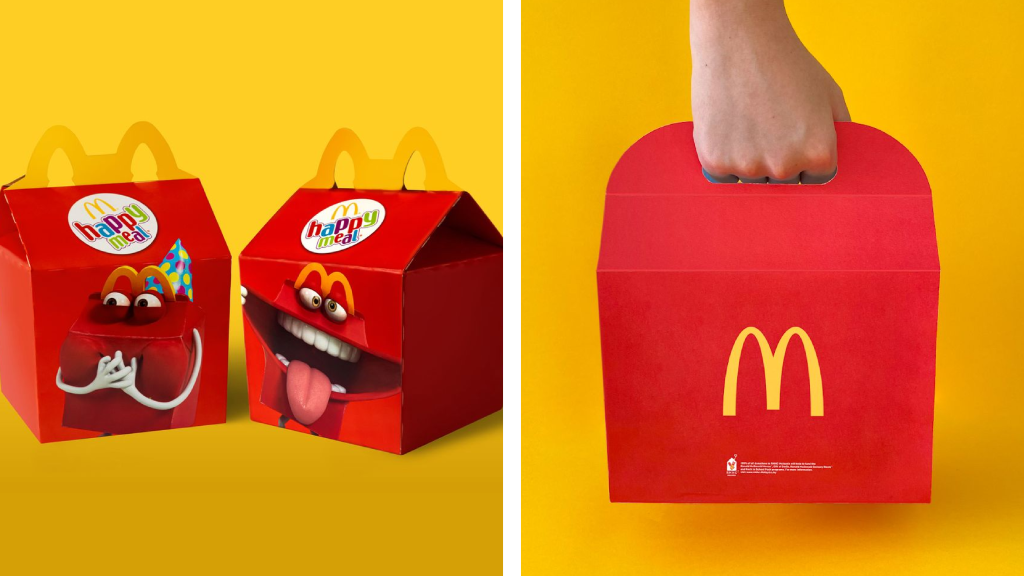
What shifted
It transformed a simple meal into a complete experience for children.
Why it was disruptive
- Introduced the concept of packaging as a form of entertainment.
- Integrated the toy, the food, and the brand narrative.
- Designed the container to be both highly portable and memorable.
Impact on consumption
Packaging evolved from a mere container into a core part of the consumption ritual.
2. Pringles can
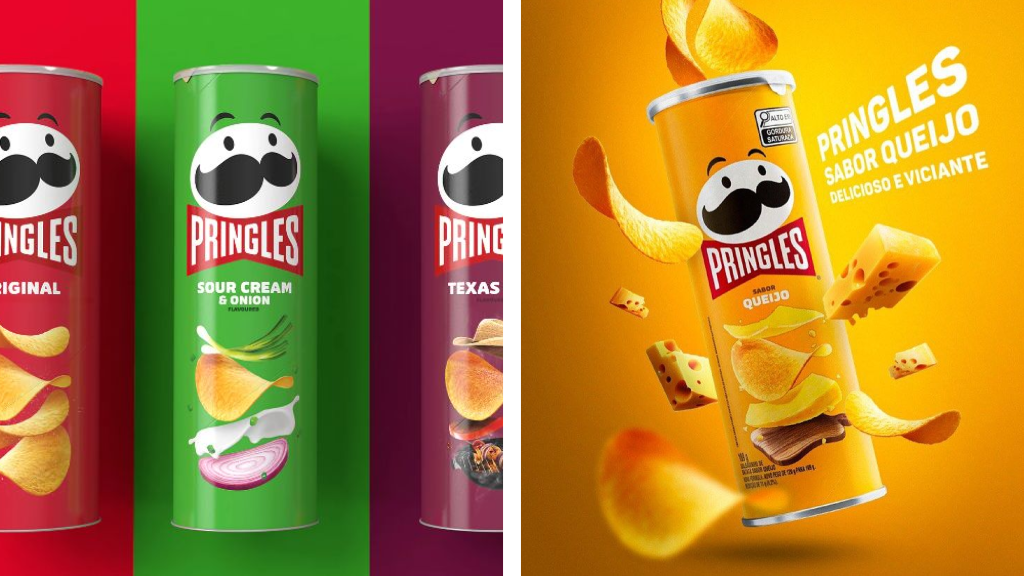
What shifted
It redefined how we consume potato chips.
Why it was disruptive
- Eliminated the empty air (slack fill) found in traditional packaging.
- Introduced a stackable, clean, and portable system..
- Integró producto + pack como una sola experiencia.
Impact on consumption
It transformed snacking into a cleaner, more shareable, and measured experience.
3. Tetra Pak carton
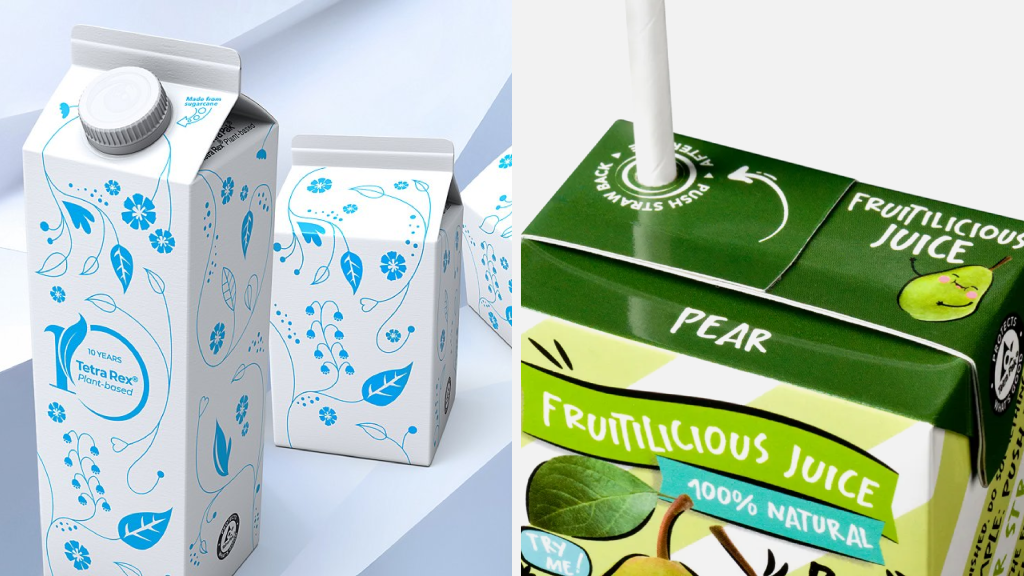
What shifted
It enabled the consumption of liquids without the need for immediate refrigeration.
Why it was disruptive
- Aseptic technology: extended product shelf life.
- Logistics optimization (transportation and storage).
- Lightweight and efficient format.
Impact on consumption
It paved the way for the mass and on-the-go consumption of dairy and beverages.
4. Kinder Surprise egg
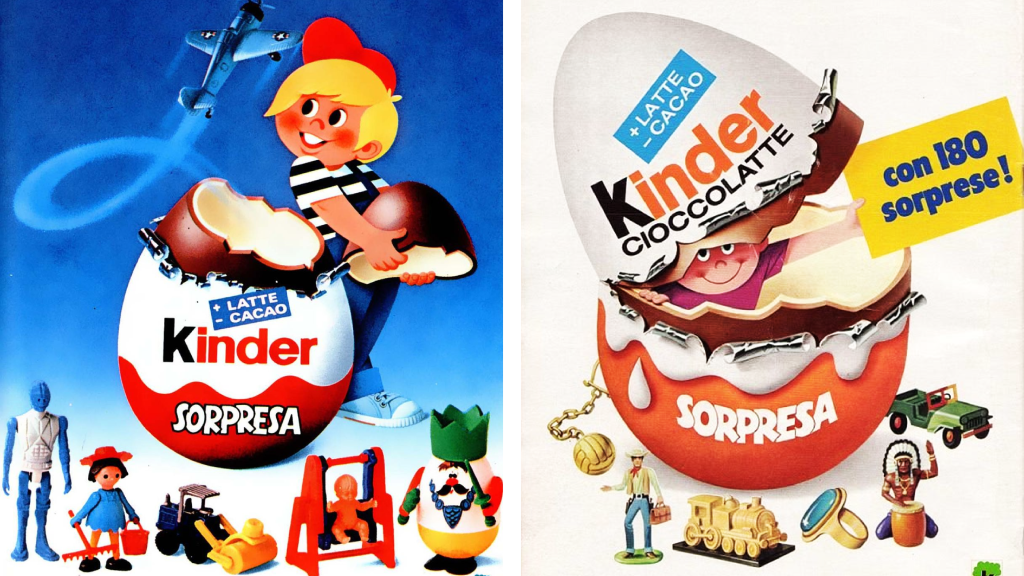
What shifted
It seamlessly merged product, experience, and play.
Why it was disruptive
- Packaging as a vehicle for surprise.
- Introduced a double-reward logic: consumption and discovery.
- Built emotional anticipation.
Impact on consumption
The act of consuming shifted from merely eating to discovering.
Iconic packs are not just memorable; they are functional, relevant, and above all, transformative. Behind each one lies a strategic decision that redefines the relationship between product and user. Because when design is deeply intentional, packaging doesn't just accompany consumption— it reinvents it.
